The Science of Skincare: Key Ingredients Every Esthetician Should Know
 Ms. Tasha W.
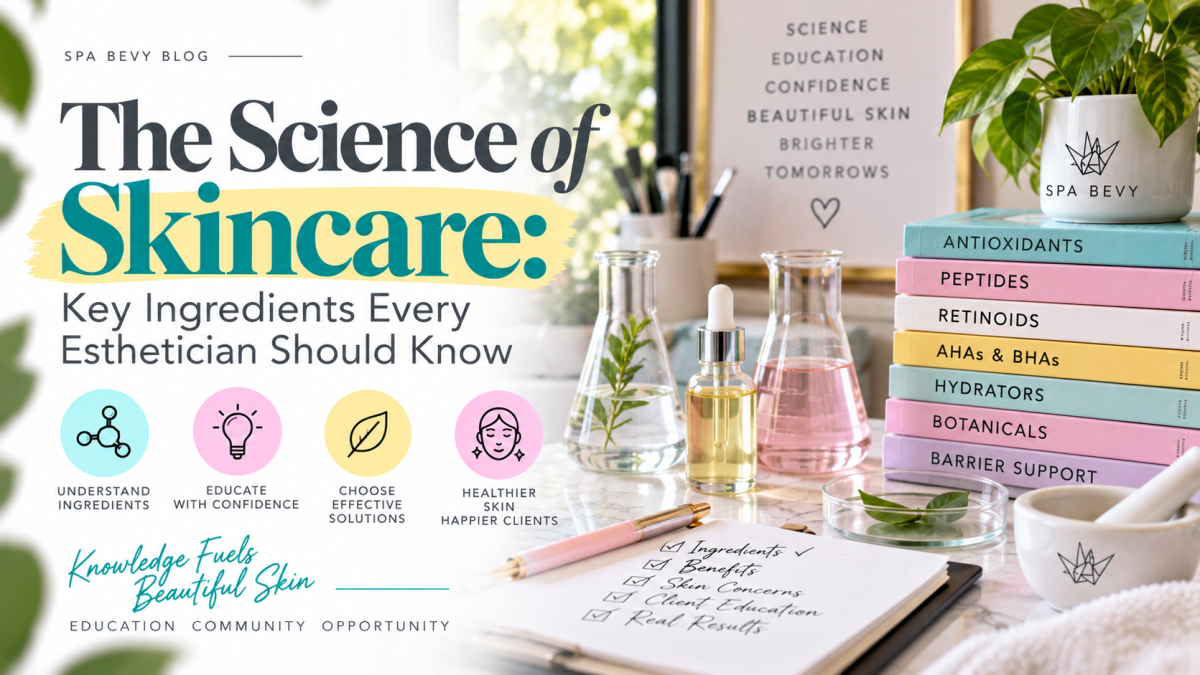
In this blog post, we'll explore the essential ingredients that every esthetician should be well-acquainted with.
In the ever-evolving world of skincare, estheticians play a vital role in helping clients achieve healthy, radiant skin. To excel in this field, it's essential to understand the science behind skincare products and the key ingredients that make them effective. In this blog post, we'll delve into the fascinating world of skincare science and explore the essential ingredients that every esthetician should be well-acquainted with.
1. Hyaluronic Acid
Hyaluronic acid is a skincare superstar known for its exceptional hydrating properties. This natural molecule can hold up to 1,000 times its weight in water, making it a must-know ingredient for estheticians. Its ability to lock in moisture helps plump and rejuvenate the skin, reducing the appearance of fine lines and promoting a youthful complexion.
2. Vitamin C
Vitamin C, or ascorbic acid, is a potent antioxidant that does wonders for the skin. It helps protect against environmental damage, promotes collagen production, and brightens the complexion. Estheticians often recommend vitamin C serums to clients looking to achieve a radiant, even skin tone.
3. Retinol (Vitamin A)
Retinol is a form of vitamin A that has been a staple in skincare for decades. It's renowned for its anti-aging properties, as it can help reduce the appearance of wrinkles, improve skin texture, and even out pigmentation. However, estheticians should educate clients on the importance of sunscreen when using retinol, as it can increase skin sensitivity to the sun.
4. Niacinamide (Vitamin B3)
Niacinamide is a versatile ingredient that offers a wide range of benefits. It helps minimize pore size, control oil production, and soothe inflammation. Estheticians often recommend products containing niacinamide for clients with acne-prone or sensitive skin.
5. Peptides
Peptides are amino acid chains that can have a profound impact on skin health. They are known for their ability to stimulate collagen production, resulting in firmer, more youthful skin. Estheticians may suggest peptide-rich products to clients seeking to combat signs of aging.
6. Glycolic Acid
Glycolic acid is an alpha hydroxy acid (AHA) that's excellent for exfoliating the skin. Estheticians often use glycolic acid to improve skin texture, reduce the appearance of fine lines, and address issues like hyperpigmentation and acne scars. However, proper application and sunscreen use are crucial when incorporating glycolic acid into a skincare routine.
7. Ceramides
Ceramides are natural lipids found in the skin's barrier. Skincare products containing ceramides help restore and maintain the skin's protective barrier, preventing moisture loss and enhancing skin hydration. Estheticians may recommend ceramide-rich products for clients with dry or sensitive skin.
Conclusion
As estheticians, understanding the science of skincare and the key ingredients that drive results is paramount. Armed with this knowledge, you can confidently guide your clients towards skincare routines that address their specific concerns and deliver the results they desire. By staying informed about the latest advancements in skincare ingredients and formulations, you'll be better equipped to provide exceptional care and help your clients achieve the healthy, glowing skin they've always dreamed of.